
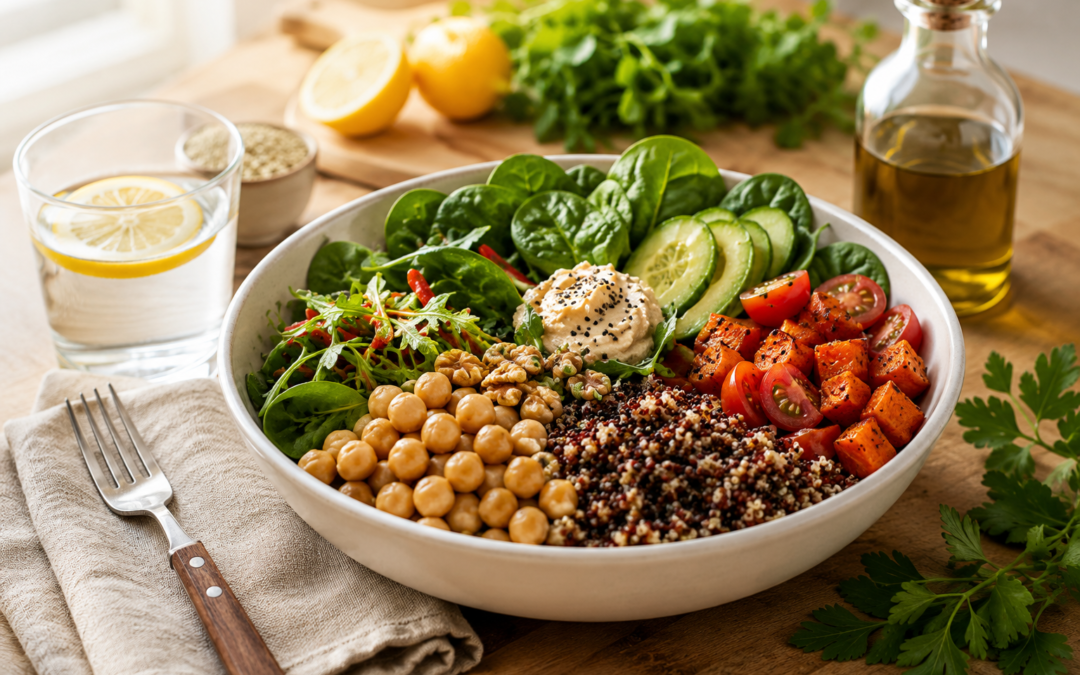
Aging well isn’t about finding one perfect food or following a complicated diet. More often, it’s the simple choices we make consistently that can support our energy, strength, and overall well-being over time.
The good news is that many foods associated with healthy aging are already familiar, affordable, and easy to add to everyday meals. Here are seven simple foods worth making a regular part of your plate.
1. Berries: Small Fruits With Big Benefits
Blueberries, strawberries, raspberries, and other berries are rich in antioxidants and plant compounds that help protect cells from oxidative stress. They also provide fiber, which supports digestive health and can help maintain healthy blood sugar levels.
Simple idea: Add a handful of berries to oatmeal, yogurt, smoothies, or enjoy them on their own as a naturally sweet snack.
2. Leafy Greens: Everyday Support for Your Body
Spinach, kale, arugula, and other leafy greens provide vitamins, minerals, fiber, and beneficial plant compounds that support overall health as we age. They are especially valuable because they add plenty of nutrients to meals without making them heavy.
Simple idea: Add leafy greens to salads, soups, omelets, sandwiches, or lightly sauté them with olive oil and your favorite seasonings.
3. Nuts: A Simple Snack for Heart and Brain Health
Almonds, walnuts, pistachios, and other nuts provide healthy fats, plant-based protein, fiber, vitamins, and minerals. Including moderate portions of nuts in a balanced diet can support heart health and provide nutrients important for healthy brain function as we age.
Simple idea: Keep a small portion of unsalted nuts on hand for an easy snack, or sprinkle them over oatmeal, salads, or yogurt for extra texture and nutrition.
4. Fatty Fish: Nourishment for Your Heart and Brain
Salmon, sardines, trout, and other fatty fish are excellent sources of high-quality protein and omega-3 fatty acids. These healthy fats play an important role in supporting heart health and normal brain function as we age.
Simple idea: Try including fatty fish in your meals once or twice a week. Bake, grill, or add it to salads and simple bowls with vegetables and whole grains.
5. Whole Grains: Steady Energy and More Fiber
Oats, brown rice, quinoa, barley, and other whole grains provide fiber and important nutrients that support digestive health and help provide steady energy throughout the day. Choosing whole grains more often can be a simple way to improve the nutritional quality of everyday meals.
Simple idea: Start with an easy swap—choose oatmeal at breakfast, brown rice instead of white rice, or add quinoa or barley to salads, soups, and bowls.
6. Olive Oil: A Simple Source of Healthy Fats
Extra virgin olive oil is rich in monounsaturated fats and beneficial plant compounds. Used as part of a balanced eating pattern, it can be a simple way to replace less healthy fats while adding flavor to everyday meals.
Simple idea: Drizzle olive oil over salads and roasted vegetables, use it in homemade dressings, or add a small amount to cooked dishes for extra flavor.
7. Legumes: Plant-Based Nutrition That Goes a Long Way
Beans, lentils, chickpeas, and other legumes are rich in fiber, plant-based protein, vitamins, and minerals. They can support digestive and heart health while helping make meals satisfying and nutritious.
Simple idea: Add beans or chickpeas to salads and soups, serve lentils as a simple side dish, or use legumes to replace part of the meat in some of your favorite recipes.
Healthy Aging Starts With Simple Choices
You don’t need to change everything about the way you eat overnight. Healthy aging is built through small, consistent choices that become part of everyday life.
Start with one or two foods from this list that you genuinely enjoy and look for simple ways to include them more often. Over time, those small choices can become habits—and those habits can make a meaningful difference.
Living better doesn’t have to be complicated. Sometimes, it simply starts with what you put on your plate.