
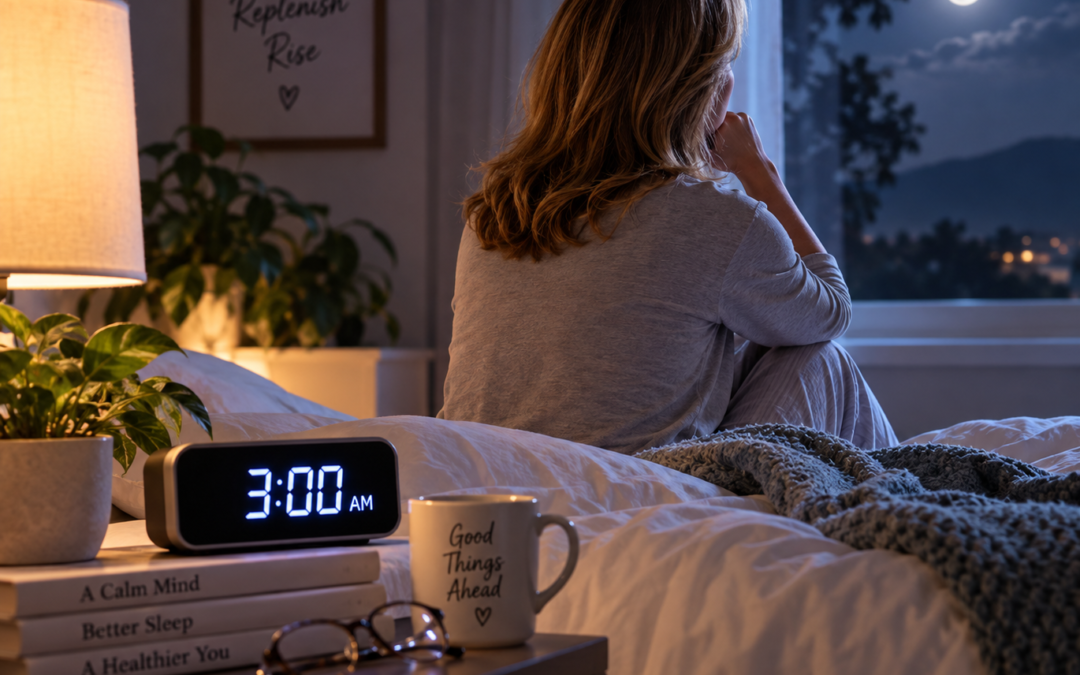
Discover the most common reasons you keep waking up in the middle of the night—and simple habits that may help you sleep through until morning.
Why do you wake up at 3 A.M. every night?
You fall asleep without much difficulty, but then something strange happens.
If you wake up at 3 A.M. every night, you're probably wondering why it keeps happening.. You check the clock, try to fall back asleep, and sometimes spend long minutes—or even hours—lying awake.
If this happens regularly, you're probably wondering whether something is wrong.
The truth is that waking up during the night is common. However, waking up at the same time every night may be a sign that something in your routine, environment, or overall health deserves attention.
The good news is that, in many cases, simple lifestyle changes can make a meaningful difference.
Let's explore the most common reasons.
1. Your Stress Levels May Be Higher Than You Realize
Stress doesn't disappear when you close your eyes.
Your brain continues processing worries, responsibilities, and emotions throughout the night, making it easier to wake up during lighter stages of sleep.
Internal Link
If daily stress has become part of your routine, read our article 5 Simple Ways to Protect Your Peace in a Busy World.
2. Your Sleep Cycle Naturally Changes During the Night
Sleep occurs in cycles lasting about 90 minutes.
Around 3 A.M., many people naturally enter lighter sleep stages, making them more likely to wake up if there's noise, light, discomfort, or stress.
Occasional awakenings are normal.
The problem begins when you struggle to fall asleep again.
3. Your Bedroom Environment May Be Interrupting Your Sleep
Small details can have a surprisingly large impact.
Ask yourself:
- Is the room too warm?
- Is there outside noise?
- Is there too much light?
- Is your mattress still comfortable?
Even small improvements can help you sleep more soundly.
4. Evening Habits Could Be Affecting Your Sleep
Late caffeine, alcohol, heavy dinners, or spending too much time on your phone before bed can reduce sleep quality and increase nighttime awakenings.
Building healthier evening routines often leads to better sleep.
Internal Link
Learn more in Healthy Habits After 40: 7 Silent Habits That Protect Your Health.
5. Lack of Physical Activity Can Affect Sleep Quality
Regular movement helps regulate your body's internal clock.
You don't need intense workouts.
A simple daily walk can promote deeper, more restorative sleep.
Internal Link
Read Walking 20 Minutes a Day May Be the Best Exercise After 40.
6. Hormonal Changes Can Influence Sleep
As we age, natural hormonal changes may affect how deeply we sleep.
Both men and women often notice lighter sleep, more frequent awakenings, and earlier mornings.
While these changes are common, healthy sleep habits can still make a significant difference.
7. It May Be Time to Speak With Your Doctor
If waking up at 3 A.M. becomes frequent and is accompanied by loud snoring, breathing pauses, severe daytime fatigue, chest discomfort, or other concerning symptoms, it's important to seek medical advice.
Sometimes persistent sleep interruptions may be related to conditions such as sleep apnea or other health issues that deserve professional evaluation.
What Can You Do If You Wake Up at 3 A.M. Every Night?
You don't need to change everything overnight.
Start with one habit.
Tonight, try to:
- Go to bed at the same time.
- Avoid screens 30 minutes before sleep.
- Keep your bedroom cool and dark.
- Limit caffeine later in the day.
- Practice a relaxing bedtime routine.
Small, consistent improvements often produce the biggest results.
One Last Thought
If you wake up at 3 A.M. every night, remember that the cause is often related to your sleep habits, stress levels, or sleep environment. Small, consistent improvements can make a meaningful difference over time.
Waking up at 3 A.M. doesn't necessarily mean something is seriously wrong.
More often, it's your body's way of telling you that something in your daily routine deserves attention.
Instead of worrying about the clock, focus on building healthier habits that support restful sleep.
Better nights lead to better mornings—and better mornings lead to a healthier life.
Trusted Resources
For more evidence-based information about healthy sleep: